

Accessibility
first

No
retrofitting

Reduces
staff load
The problem
Large functional buildings are hard to navigate — especially for people with disabilities, visitors, or first-time users. Signage is visual, complex, and staff support doesn’t scale.
- Visual signage is inconsistent and cognitively demanding
- Visitors depend on staff assistance for wayfinding
- Accessibility solutions are fragmented or limited to compliance checklists
- Stress and inefficiency affect both visitors and operations
Buildings need an inclusive way to support independent navigation — without retrofitting and without adding operational burden.
Dreamwaves' value proposition
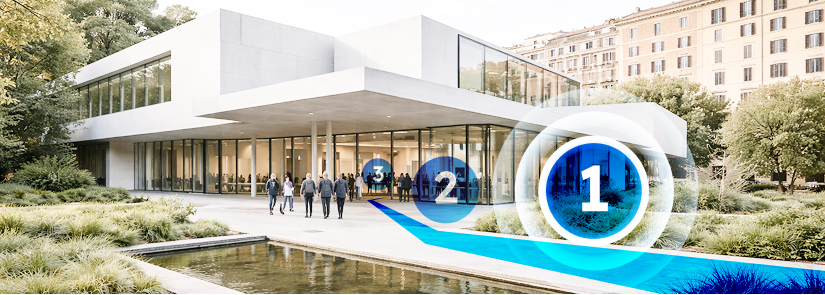
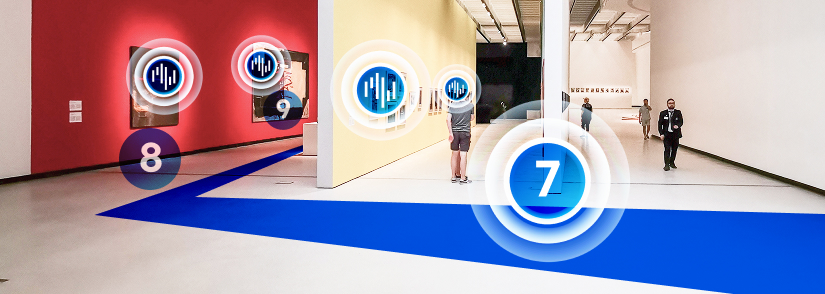
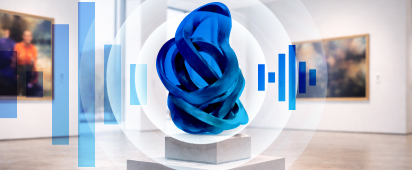
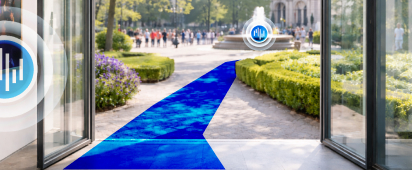
Dreamwaves provides hands-free, screen-free guidance through sound, enabling people to move independently and confidently in complex indoor spaces.
Originally built for blind and visually impaired users — naturally helpful for anyone who needs clarity, reassurance, or reduced cognitive load.
What this enables for passengers
Accessible navigation that works for everyone

Independent navigation
From entrances to destinations without asking for help.
Reduced operational burden
Less reliance on staff for routine wayfinding support.
Inclusive-by-default design
Accessibility embedded in the experience, not added later.
Independent navigation
From entrances to destinations without asking for help.
Reduced operational burden
Less reliance on staff for routine wayfinding support.
Inclusive-by-default design
Accessibility embedded in the experience, not added later.
Why Dreamwaves is different
- No beacons, sensors, or retrofitting
- Scales across large, multi-floor buildings
- Consistent experience across locations
A practical accessibility solution that improves navigation and confidence for everyone — across hubs, offices, and hospitals.
Want to make your building easier to navigate for everyone?
Tell us about your building type and key journeys. We’ll propose a simple pilot and rollout path.
Request an offer