

Assistant, not just
wayfinding

Screen-free &
hands-free

Supports
urban
mobility
The problem
Cities are living environments — complex, constantly changing, and often difficult to navigate.
Public spaces, crossings, transport connections, events, and construction zones create uncertainty and friction for pedestrians.
- Visitors and residents feel disoriented in unfamiliar areas
- Crowding and congestion emerge unpredictably in popular zones
- Accessibility support is limited and difficult to scale
- Physical signage and maps cannot adapt to real-time urban conditions
Navigation alone cannot solve this. What’s missing is adaptive, intuitive guidance that supports people at the right moment — improving confidence while helping cities manage movement more effectively.

Dreamwaves’ value proposition
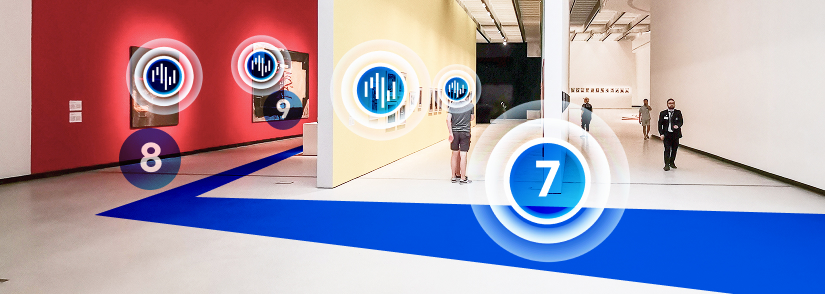
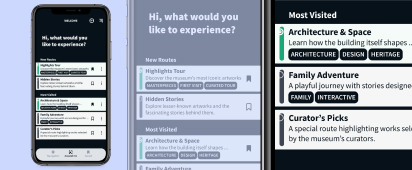
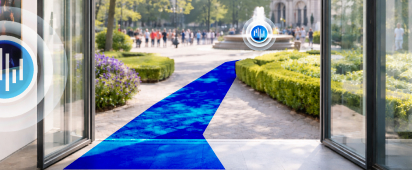
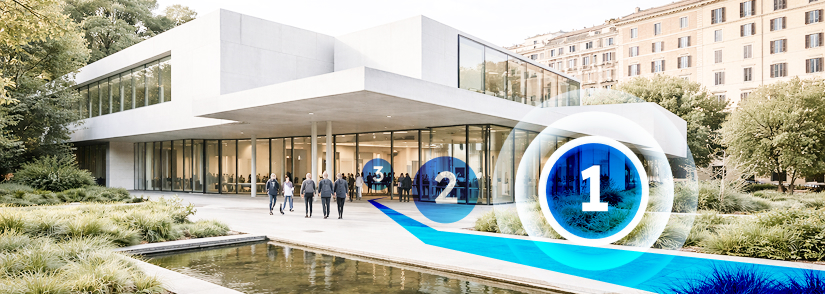
Dreamwaves adds a context-aware audio assistant layer to urban journeys. It doesn’t just indicate directions — it suggests when to move, which path to take, and how to navigate complex public spaces naturally.
This creates shared value: people explore cities with greater comfort and independence, while municipalities gain new ways to support accessibility, safety, and flow without infrastructure changes.
What this enables for people
Confident urban navigation
Clear next-step orientation
Guidance focuses on immediate decisions — crossings, turns, public space transitions.
Safer and comfortable urban journeys
Timely audio cues help anticipate environmental changes and navigation points.
Inclusive mobility in public space
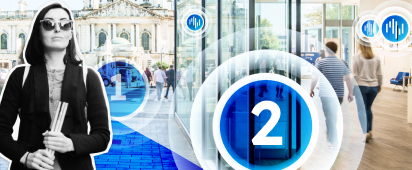
Particularly valuable for blind and visually impaired users, elderly citizens, tourists, and anyone navigating stressful environments.
Clear next-step guidance
Not just directions, but what to do now — and when.
Reduced stress and uncertainty
Timely audio cues replace constant checking of screens and signs.
Inclusive journeys
Especially valuable for visually impaired, elderly, neurodivergent, or anxious travelers.
What this enables for cities
Enhancing urban mobility & accessibility
Better passenger flow management
Influence routing and movement timing in busy areas, events, or sensitive urban zones.
Scalable accessibility support
Provide guidance services without increasing staff presence or installing hardware.
Enhanced visitor and tourism experience
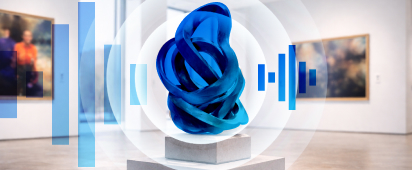
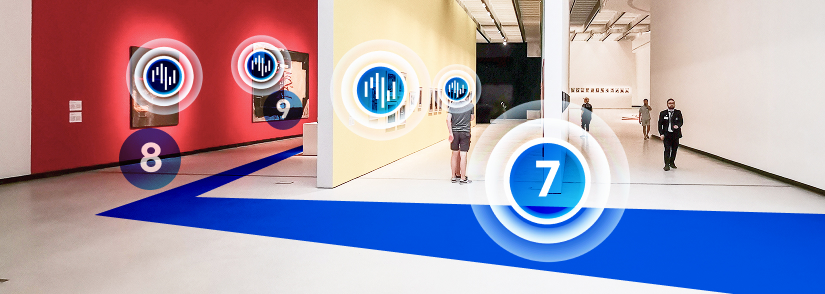
Create immersive audio routes that enrich cultural exploration and city engagement.
No infrastructure changes required
Deploy guidance without new signage, displays, or physical installations.
Complements existing mobility systems
Works alongside public transport apps, smart city platforms, and digital services.
Data-informed urban improvements
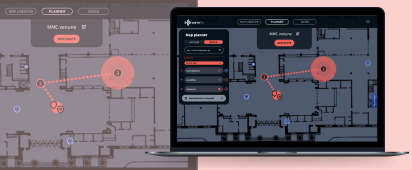
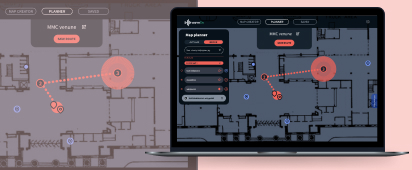
Where applicable, observe how guidance influences movement patterns and dwell areas.
Better passenger flow management
Influence movement timing and routing to reduce congestion and peaks.
Operational optimization
Fewer missed gates, smoother boarding, less staff intervention.
Scalable assistance layer
Support large passenger volumes without adding personnel.
No infrastructure changes
No new signage, displays, or hardware required.
Complements existing systems
Works alongside airport and airline information and operational tools.
Data-informed improvements
Where applicable, observe how guidance impacts movement patterns and dwell areas.
How this goes beyond classic navigation
From maps to adaptive audio guidance — aligning urban mobility with human experience.
Traditional navigation answers: “How do I get there?”
Dreamwaves answers: “What should I do next in this space?”
The assistant understands user position, urban context, and movement timing — and communicates naturally through spatial audio and voice.
This allows cities to support pedestrian behaviour subtly, improving safety, predictability, and accessibility without adding friction.
Want to make your city easier to navigate — without new infrastructure?
Tell us about your urban challenges, mobility goals, and accessibility priorities. We’ll suggest a simple path to pilot and rollout.
Request an offer